
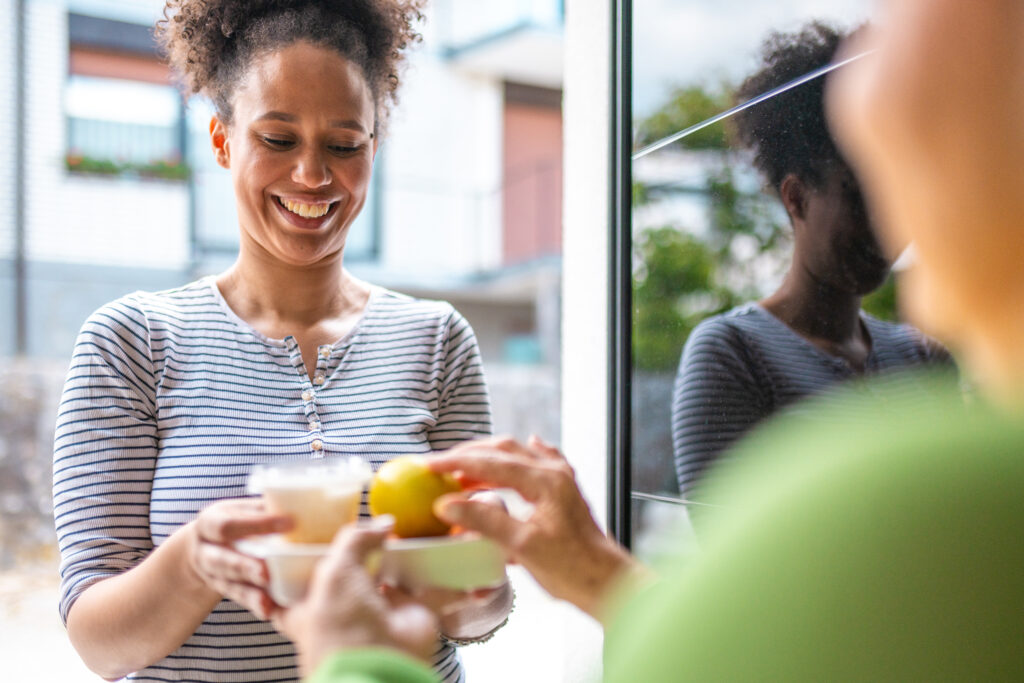
In February – the month we celebrate love, compassion, and connection – it’s worth pausing to recognize a quiet act of care that changes lives every single day: a knock at the door. For the neighbors served by Meals on Wheels, that knock often means more than a meal. It means someone remembered me today.
When Loneliness Becomes the Greatest Health Risk
Loneliness among older adults isn’t just an emotional struggle—it’s a growing public health issue. As families move away, mobility declines, and social circles shrink, many older adults find themselves spending days, even weeks, without meaningful human contact.
What often gets overlooked is this truth: isolation can be as harmful as hunger. It affects physical health, mental well-being, and even life expectancy. And unlike many complex problems, the solution can be surprisingly simple.
A knock at the door. A warm hello. A few minutes of genuine connection.
More Than a Meal: Why That Knock Matters
At its core, Meals on Wheels delivers nutritious food to older adults who need support to remain healthy and independent at home. But what happens during those deliveries goes far beyond calories and nutrients.
Every visit is also:
- A safety check
- A friendly conversation
- A reminder that someone cares
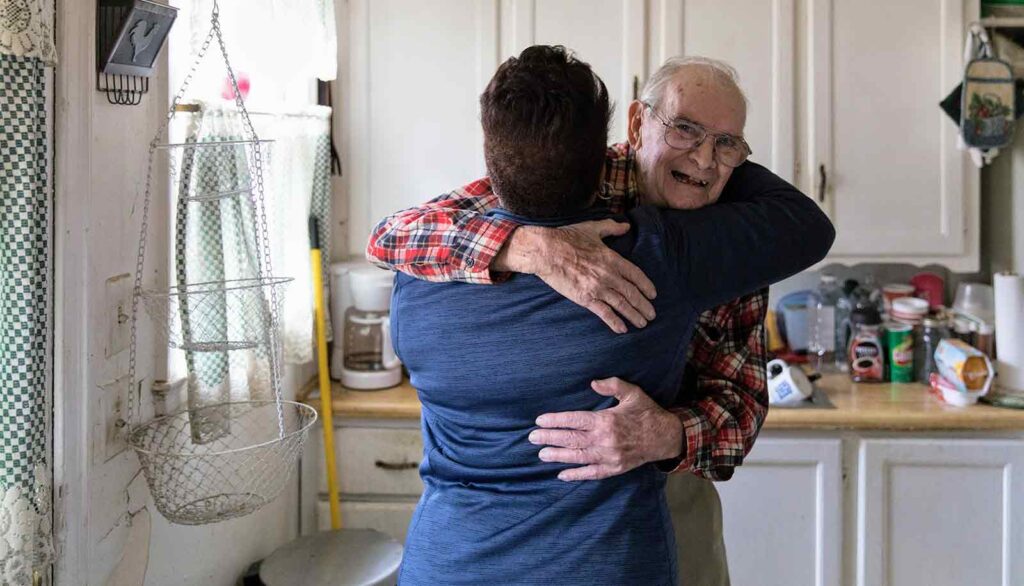
For many recipients, the volunteer at the door may be the only person they see all day.
Volunteers have shared how some clients leave their doors open just a crack—waiting. Not because they are hungry, but because they don’t want to miss a moment of connection. Over time, this simple routine has restored something deeper: trust, confidence, and a sense of belonging.
How Compassionate Connections Restore Strength and Purpose
Good nutrition fuels the body.
Human connection fuels the spirit.
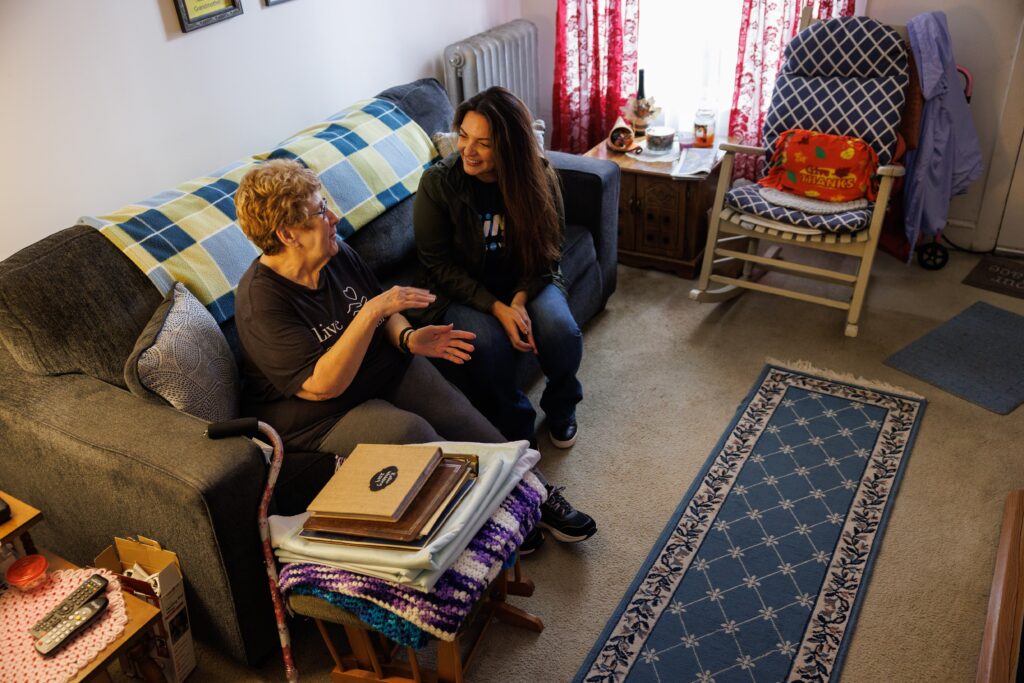
When older adults receive consistent meals paired with compassionate interaction, the impact is powerful:
- Improved physical strength and energy
- Better medication adherence and health outcomes
- Reduced depression and anxiety
- Renewed sense of dignity and purpose
We’ve seen neighbors who were once withdrawn begin to smile again. To ask questions. To share stories. To look forward to tomorrow.
A Lifeline for Families Navigating Aging
For families, especially those caring from a distance, Meals on Wheels offers something invaluable: peace of mind.
Knowing that someone is checking in regularly—someone trained to notice changes and raise concerns—can ease the constant worry that comes with aging loved ones.
It’s not about replacing family.
It’s about strengthening the circle of care.
Why Your Support Matters---Especially This Month
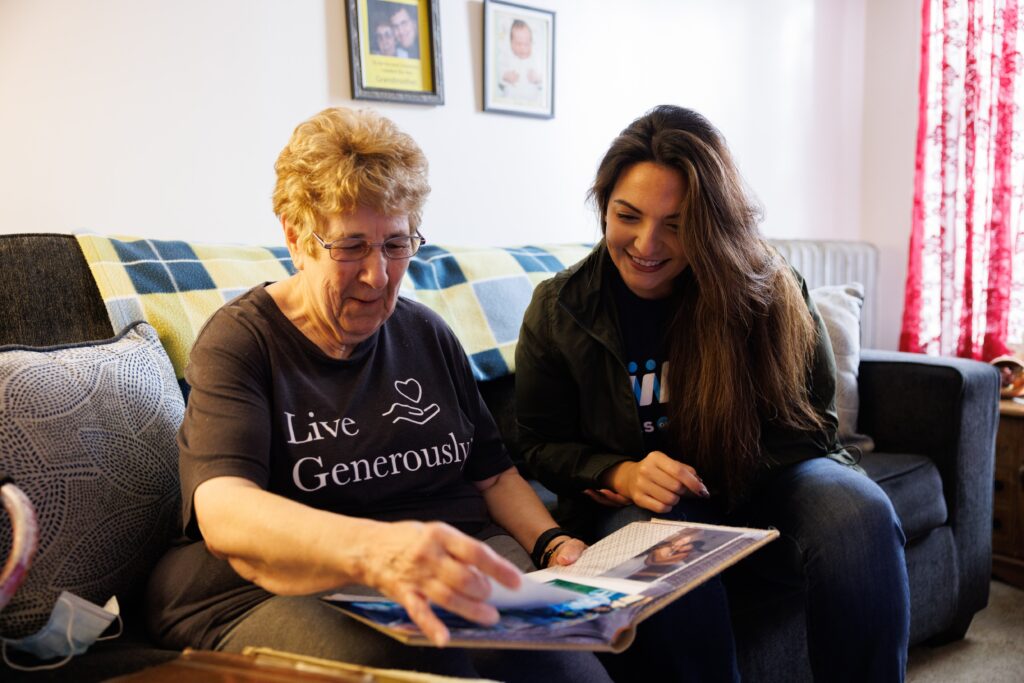
February reminds us that love isn’t only expressed through cards or flowers. Sometimes, love looks like showing up. Again and again.
Donor support makes it possible for Meals on Wheels programs to:
- Reach more isolated older adults
- Expand wellness checks and social connection
- Train volunteers to recognize health and safety concerns
- Combat loneliness before it becomes a crisis
Every gift helps turn isolation into connection.
The Quiet Power of Showing Up
The truth is simple – and deeply human.
A meal nourishes the body.
A conversation nourishes the soul.
Together, they change lives.
This month of love, we invite you to see Meals on Wheels not just as a meal delivery program, but as a lifeline of connection—one knock at a time.
Because sometimes, the most meaningful act of care starts with just showing up.
Interested in helping someone feel less alone?
Whether you’re supporting a loved one, considering a donation, or thinking about volunteering, your involvement matters more than you may realize.
Let’s stay connected in mission together! Follow us on Facebook, Instagram, and LinkedIn. We’d love to share more stories and behind-the-scenes work with you – subscribe to our quarterly newsletter and never miss a mission moment!
Frequently Asked Questions - FAQs
How does Meals on Wheels help reduce loneliness in older adults?
Meals on Wheels reduces loneliness by pairing nutritious meal delivery with regular human connection. Each visit provides a friendly face, conversation, and wellness check. For many older adults, this consistent interaction helps prevent deep isolation, supports emotional well-being, and reinforces a sense of dignity and belonging.
Why is social connection important for older adult health outcomes?
Social connection plays a critical role in health during aging. Studies show isolation is linked to higher risks of depression, cognitive decline, and chronic illness. Regular social interaction, such as a Meals on Wheels delivery, supports mental health, encourages routine, and helps older adults stay healthier, safer, and more engaged in daily life.
How can Meals on Wheels support families caring for aging loved ones?
Meals on Wheels offers families peace of mind by ensuring older loved ones receive regular meals and check-ins. Volunteers can notice changes in health or behavior and alert local teams when concerns arise, helping families feel supported—especially when they can’t be present every day or live far away.
How do donations to Meals on Wheels make a difference beyond food?
Donations fund more than meals. They help sustain human connection.
Philanthropic support allows Meals on Wheels to reach isolated older adults, train volunteers, and expand wellness checks. Each gift helps turn a simple delivery into a lifeline that nourishes both body and spirit.