
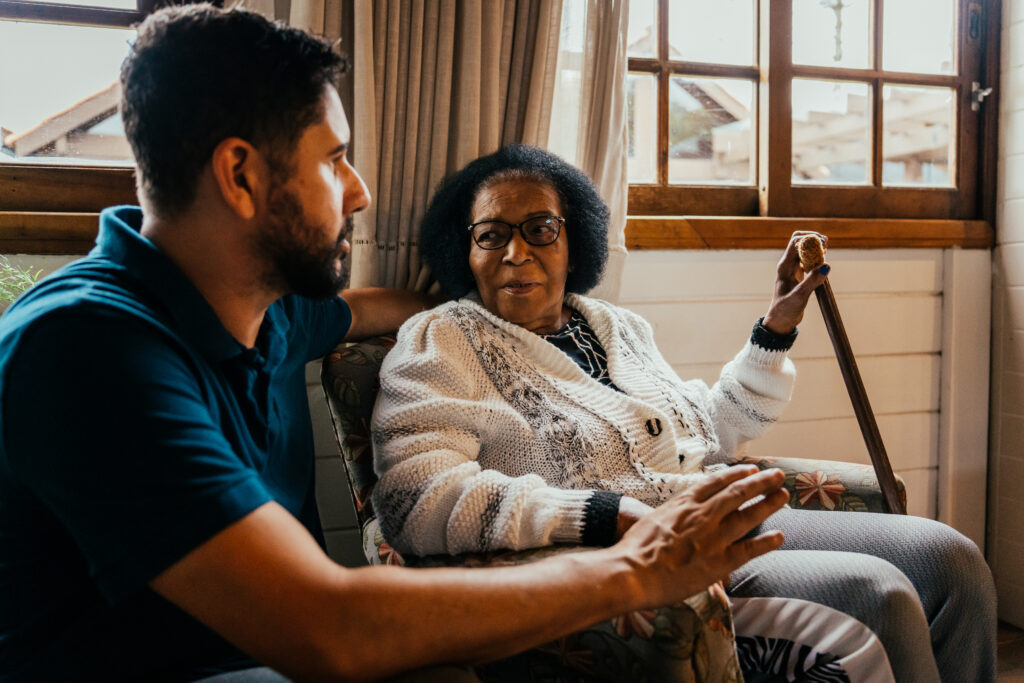
Every September, National Falls Prevention Awareness Week – set for September 21-25 this year – asks communities to take a hard look at one of the most common threats facing aging adults who live at home: a fall. For Meals on Wheels of Greeley and Weld County, that conversation isn’t separate from our mission. It is our mission. Every meal we deliver and every wellness check a volunteer performs at the door is a small, repeated act of fall prevention – one that helps our neighbors stay safe, nourished, and independent in the homes they love.
Why Falls Are a Serious Risk for Aging Adults
More than one in four adults age 65 and older falls each year, according to the Centers for Disease Control and Prevention (CDC). Falling once roughly doubles the likelihood of falling again, and the consequences add up quickly. CDC data show falls send an estimated 4.5 million older adults to the emergency room every year, cause 1.4 million hospitalizations, and result in nearly 319,000 hip fractures – injuries connected to 83% of hip fracture deaths among older adults. Falls are also the leading cause of traumatic brain injury in this age group, and fewer than half of people who fall ever mention it to their doctor. Nationally, older adult falls cost the U.S. health care system an estimated $100 billion a year.
Every one of those numbers represents a homebound adult who could lose the independence they’ve spent a lifetime building.

A Fall Doesn't Just Cause an Injury -- It Threatens Independence
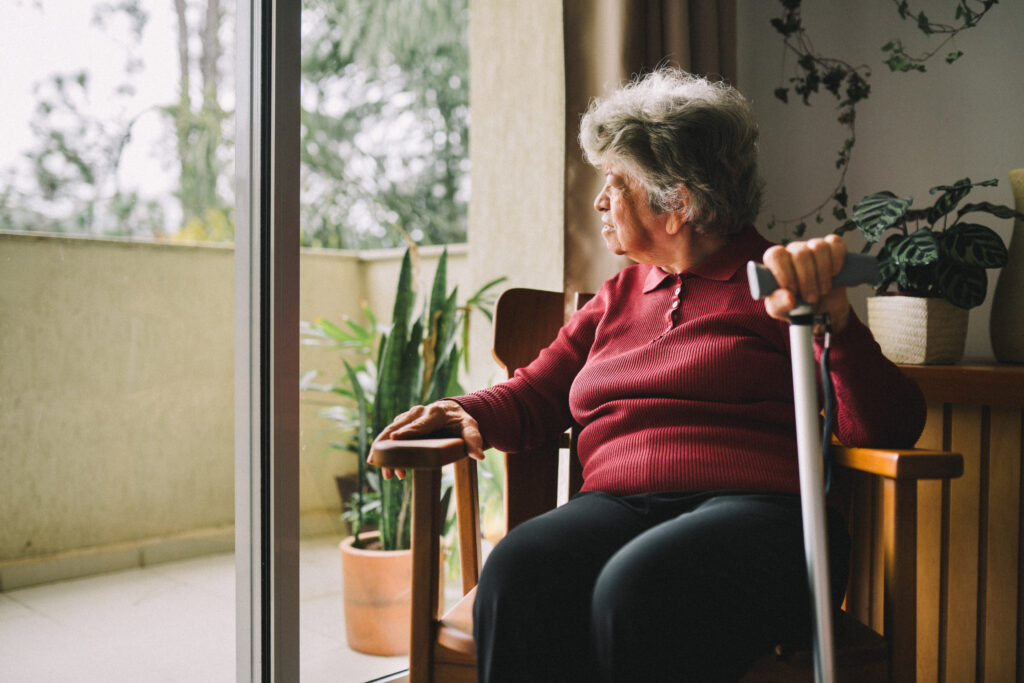
For an aging adult living alone, a fall can be the turning point between staying in a familiar home and moving into assisted living. Fear of falling again often leads homebound adults to move less, which weakens muscles and balance and makes a second fall more likely. That’s why fall prevention isn’t only a physical safety issue. It’s about protecting a neighbor’s ability to remain independent, connected, and confident in their own home.
The Meals on Wheels Connection: More Than a Meal
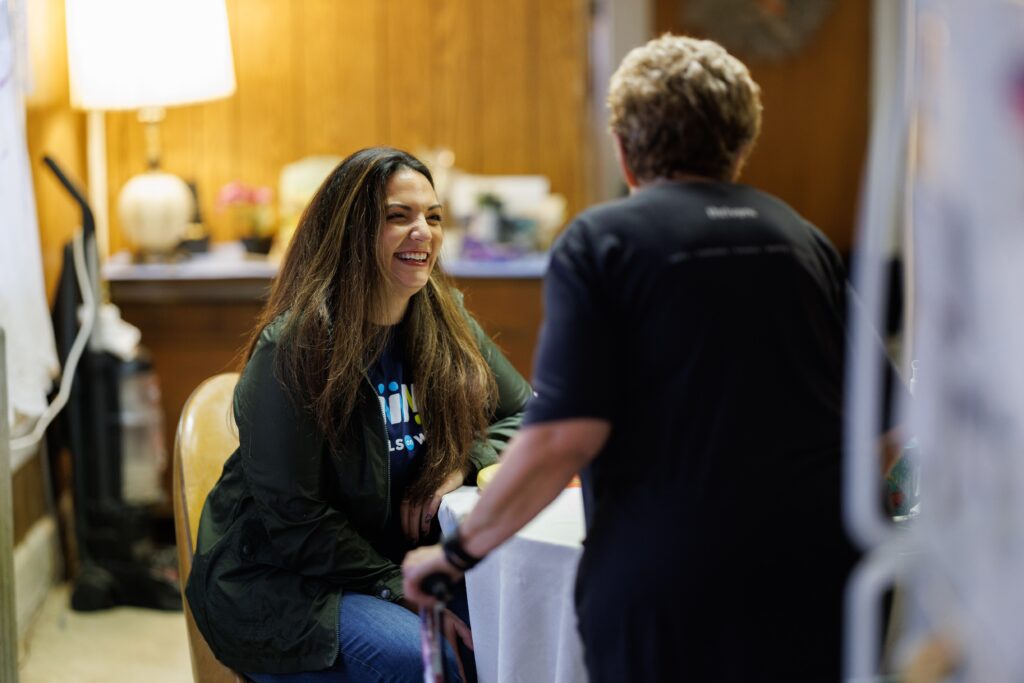
A nutritious meal and a caring volunteer at the door do more than address hunger. Research on home-delivered meal programs has linked regular meal delivery and volunteer contact to fewer falls and hospitalizations among older adults living alone. National data tracking Meals on Wheels programs also found a 70% decrease in hospital costs after three months of meal service and a 78% decrease in hospital readmissions after four months – outcomes tied to better nutrition, steadier medication routines, and a second set of eyes checking in on a neighbor’s home.
That daily knock on the door matters in ways a phone call can’t replace. Our volunteers notice a loose rug, a burned-out porch light, or a homebound adult who seems unsteady on their feet, and that noticing is often the first line of defense against a fall. We wrote more about how those visits protect our neighbors in More Than a Meal: How Daily Check-ins Help Older Adults Stay Safe at Home.
A Home Safety Checklist for Fall Prevention
The CDC’s STEADI initiative (Stopping Elderly Accidents, Deaths, and Injuries) publishes a room-by-room home fall prevention checklist that’s worth reviewing with the aging adult in your life. A few of the highest-impact steps:
- Clear walkways of clutter and loose cords, and remove throw rugs or secure them with double-sided tape.
- Add grab bars near the toilet and inside the shower or tub, plus a non-slip mat on wet surfaces.
- Improve lighting in stairwells and entryways, and keep a lamp within reach of the bed.
- Install handrails on both sides of every staircase.
- Move frequently used items to waist-level shelves so climbing or bending isn’t necessary.
- Wear supportive, non-slip shoes indoors instead of loose slippers or socks.
Small changes like these prevent the majority of home falls, according to the CDC, and they cost far less than the emergency room visit they help avoid.
Know the Warning Signs
Fall risk often builds quietly. It’s worth a conversation with a doctor if a homebound adult has fallen in the past year, seems unsteady or holds onto furniture while walking, takes four or more medications, has noticed vision changes, or feels dizzy standing up. The CDC’s SEATDI screening tools can help guide that conversation.
How You Can Help
Fall Prevention Awareness Month gives all of us a reason to check in on the homebound and aging adults in our own neighborhoods and families. Here’s where to start:
- Volunteer to deliver a meal and become the extra set of eyes that catches a hazard before it causes an injury.
- Make a donation to help us reach more homebound neighbors across Weld County with meals and wellness checks.
- Refer a neighbor who could benefit from meal delivery and daily contact – see Who Qualifies for Meals on Wheels in Weld County? To check eligibility or start an application, visit our Get Meals page.
Every gift and every delivery route is an investment in a neighbor’s ability to stay safe, nourished, and independent at home. That’s fall prevention in its most practical form, and it is work this community builds together, one visit at a time.
FAQs
What is Falls Prevention Awareness Week?
Falls Prevention Awareness Week is a national observance organized by the National Council on Aging (NCOA), held each September to raise awareness about fall risk factors and prevention strategies for older adults. In 2026, it runs September 21–25.
How common are falls among older adults?
More than one in four adults age 65 and older falls each year in the United States, according to the CDC.
Can home-delivered meals really help prevent falls?
Yes. Research on home-delivered meal programs has linked regular meal delivery and volunteer contact to fewer falls and hospitalizations among aging adults living alone. The wellness check that comes with each delivery also helps catch hazards and health changes early.
What are the most important home changes to prevent falls?
The CDC recommends clearing walkways, adding grab bars in bathrooms, improving lighting, installing handrails on stairs, and wearing supportive shoes indoors. A full room-by-room checklist is available through the CDC’s STEADI program.
How do I get help for a homebound adult in Weld County?
Meals on Wheels of Greeley and Weld County delivers hot meals and daily wellness checks to homebound adults across Greeley, Evans, Windsor, Platteville, Fort Lupton, Mead, and surrounding communities. Visit our Get Meals page to review eligibility and apply.
How can I get involved with fall prevention efforts in Weld County?
You can volunteer to deliver meals, make a donation, or refer a neighbor who could benefit from our services. Every route and every gift helps a homebound adult stay safe and independent at home.