

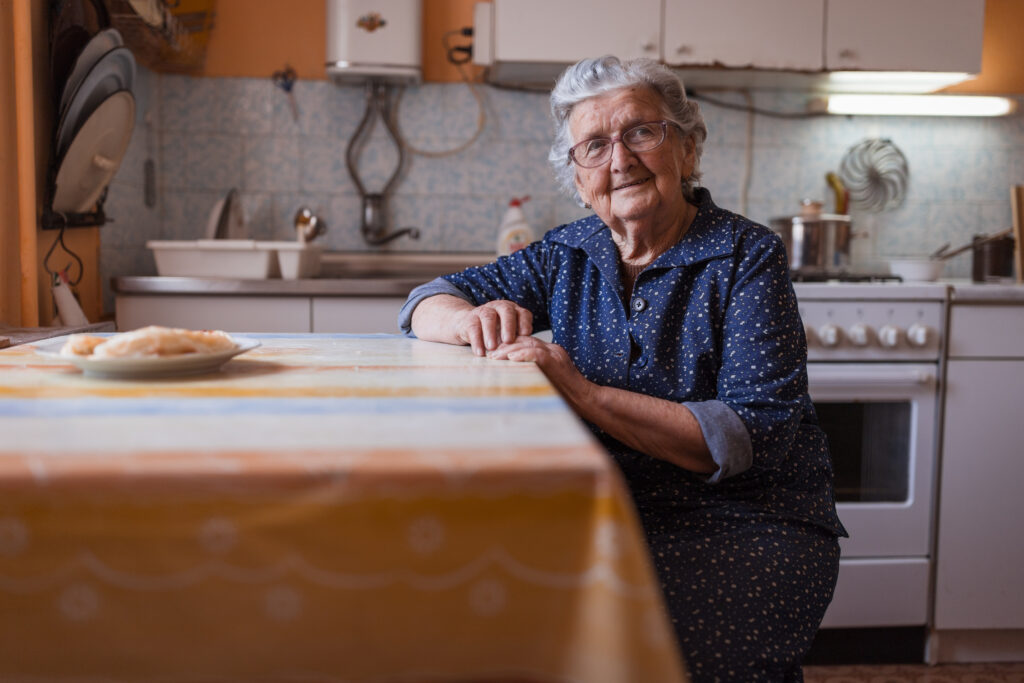
Quick Answer: Dehydration is more dangerous after age 65 because the body naturally retains less water, the sense of thirst weakens, and many chronic health conditions or medications can increase fluid loss. During summer heatwaves, older adults can become dehydrated quickly, increasing the risk of falls, confusion, hospitalization, and heat-related illness.
Why Are Older Adults More Vulnerable to Dehydration?
Many caregivers are surprised to learn that dehydration can develop faster in older adults than in younger people.
As we age, several changes occur:
- The body contains less water overall.
- Kidney functions become less efficient.
- The sensation of thirst decreases.
- Certain medications increase fluid loss.
- Mobility challenges can make it harder to get drinks independently.
Many people don’t realize that an older adult may already be mildly dehydrated before they even feel thirsty!
According to UCLA Health, reduced thirst is one of the biggest reasons dehydration becomes more common with age.
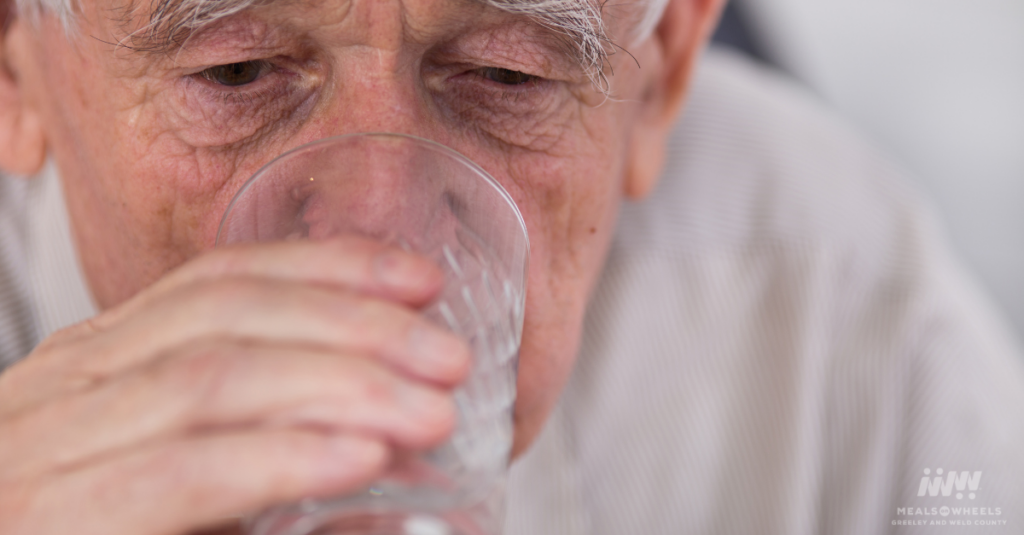
Why Dehydration Can Become Serious So Quickly
For younger adults, mild dehydration may simply feel uncomfortable.
For older adults, it can become a medical emergency.
Even a small drop in fluid levels can lead to:
- Dizziness
- Increased fall risk
- Fatigue
- Confusion
- Urinary tract infections
- Heat exhaustion
- Heat stroke
- Hospitalization
Caregivers often notice how their loved one becomes forgetful during heatwaves and warmer weather. Often, this change in behavior and patterns can be explained by severe dehydration. Most of the time, this will clear up within a day of proper hydration.
How Much Water Should an Older Adult Drink Each Day?
There isn’t a one-size-fits-all answer.
Many health experts recommend approximately:
Age Group | General Daily Fluid Goal |
Women 65+ | About 9 cups (72 oz) |
Men 65+ | About 13 cups (104 oz) |
These totals include water, milk, tea, soups, and water-rich foods.
The Centers for Disease Control and Prevention (CDC) notes that hydration needs can increase during hot weather, physical activity, illness, or periods of excessive sweating.
It’s important to note that some individuals with heart failure, kidney disease, or other medical conditions may have fluid restrictions. Always follow guidance from a health provider.
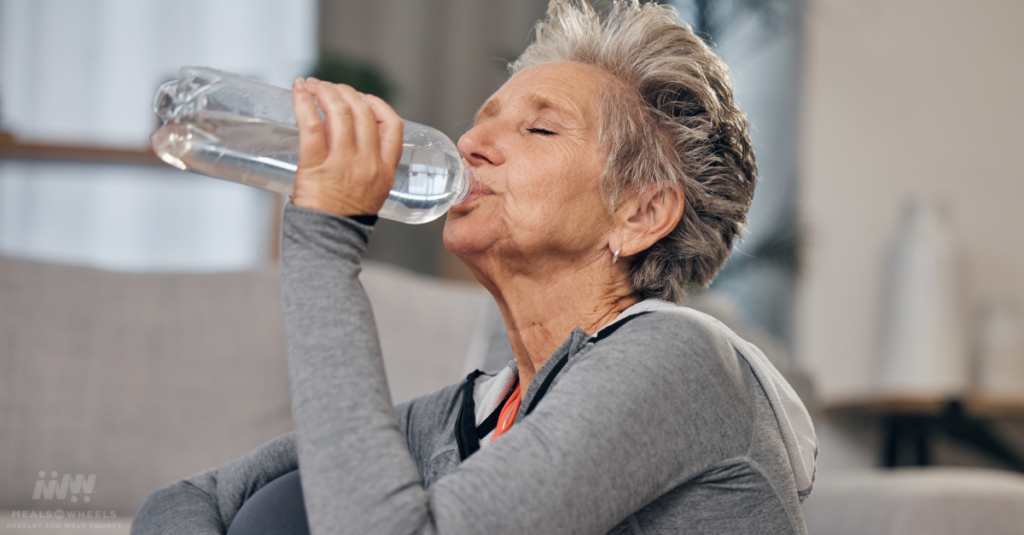
8 Ways to Help an Older Adult Stay Hydrated
- Don’t Wait Until They Feel Thirsty. By the time thirst appears, dehydration may have already begun. Encourage regular fluid intake throughout the day, even when they don’t feel thirsty. Try offering drinks every 1-2 hours during hot weather.
- Keep Water Within Easy Reach. Convenience matters. A reusable water bottle, insulated tumbler, or bedside cup can encourage more frequent sipping. For adults with mobility limitations, having water nearby removes a major barrier.
- Offer Foods with High Water Content. Hydration doesn’t have to only come from beverages.
Water-rich foods include:
- Watermelon
- Strawberries
- Cantaloupe
- Cucumbers
- Tomatoes
- Lettuce
- Celery
- Soups
These foods can be especially helpful for older adults who don’t enjoy drinking plain water.
4. Create a Daily Hydration Routine. Consistency helps.Try linking fluid intake to existing habits:
- After waking up
- With medications
- During meals
- After a walk
- Before bedtime (if appropriate)
Routine often works better than reminders alone.
5. Make Drinks More Appealing. Some older adults simply find water boring. Try:
- Lemon slices
- Orange slices
- Fresh berries
- Mint leaves
- Sugar-free flavor enhancers
A little variety can significantly increase fluid intake.
6. Watch for Early Warning Signs. Recognizing dehydration early can prevent serious complications.
Common symptoms include:
- Dry mouth
- Dark urine
- Headaches
- Fatigue
- Dizziness
- Muscle cramps
- Confusion
- Increased irritability
If symptoms worsen or an older adult cannot keep fluids down, seek medical attention right away.
7. Limit Excessive Heat Exposure. During Colorado summer heatwaves, the risk of dehydration rises quickly.
Encourage older adults to:
- Stay indoors during peak afternoon temperatures.
- Use fans or air conditioning.
- Wear lightweight clothing.
- Drink fluids before going outside.
The National Weather Service Heat Safety Program recommends checking on older adults frequently during extreme heat events. Meals on Wheels volunteers can come in handy here!
8. Use Meals as Hydration Opportunities. Every meal can support hydration. Consider serving:
- Soup
- Fruit cups
- Smoothies
- Yogurt
- Milk
- Herbal tea
For Meals on Wheels participants, nutritious meal delivery can help provide both nourishment and additional fluids throughout the week.

What Are the Signs of Severe Dehydration in Older Adults?
Seek immediate medical care if an older adult experiences:
- Extreme confusion
- Fainting
- Rapid heartbeat
- Very little urine output
- Inability to keep fluids down
- Difficulty waking up
- Confusion or difficulty concentrating
- Signs of heat stroke
These symptoms can indicate a serious medical emergency. It’s also important to note that confusion and dizziness in particular are often mistaken for other age-related conditions, which is why dehydration in older adults can go unrecognized and untreated longer than it should.
How Caregivers Can Help During Summer Heatwaves
Caregivers play a critical role in preventing dehydration.
A few simple daily check-ins can make a significant difference:
- Ask when they last had a drink.
- Monitor urine color.
- Encourage water-rich snacks.
- Keep cooling resources available.
- Check on them more frequently during extreme heat.
- Talk to their doctors about medications – some medications may require adjusted fluid intake.
Many older adults value independence and may not mention that they’re struggling to stay hydrated. A gentle reminder often goes a long way!
Supporting Healthy Aging All Summer Long
Staying hydrated is one of the simplest and most important ways to protect older adults during hot summers.
While dehydration can become dangerous quickly after age 65, small daily habits can dramatically reduce risk. Regular fluids, hydration-friendly foods, and frequent check-ins can help older adults stay safe, healthy, and comfortable throughout Colorado’s hottest months.
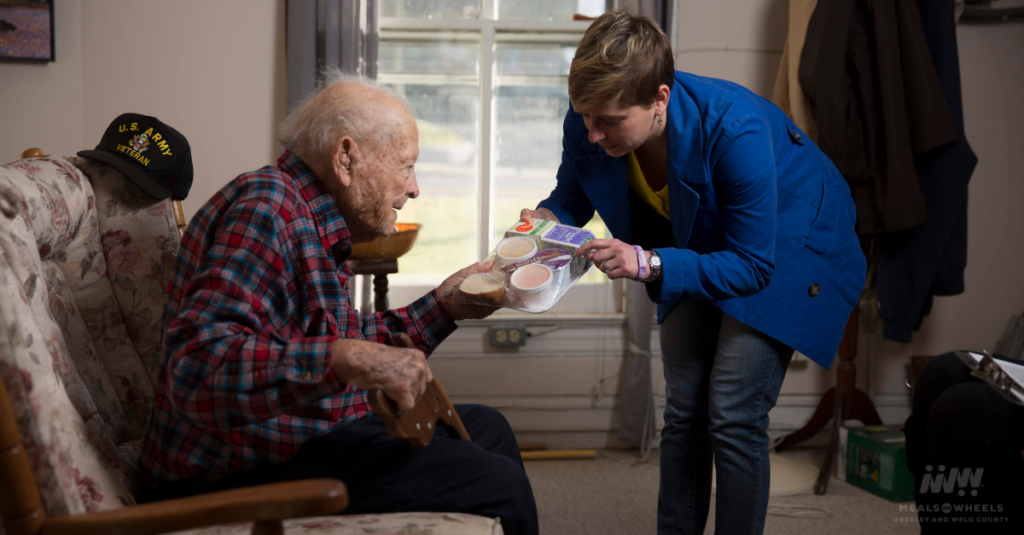
Meals on Wheels does its part to help support hydration as well! Every meal delivered is planned to meet the nutritional needs of adults 60 and older, including hydration. Our meals often include soups, fruits, and water-rich sides specifically chosen to support fluid intake. Beyond nutrition, our delivery volunteers provide a daily check-in that serves as a safety net during the hottest months of the year. If you know an older adult in Greeley or Weld County who could benefit from daily meals and a friendly face at the door, we’d encourage you to reach out. It’s easy to apply – getting started takes one call or one click! Learn whether you or someone you love qualifies: www.MealsOnWheelsGreeley.com
Frequently Asked Questions - FAQs
How much water should a 70-year-old drink per day?
Most health authorities recommend that older adults aim for about 6 to 8 cups (48 to 64 ounces) of fluid per day, though individual needs vary based on body weight, activity level, medications, and climate. Importantly, this includes fluids from food sources like soups and fruits — not just beverages. Consult a physician for guidance specific to an individual’s health conditions.
What are the first signs of dehydration in elderly people?
Early signs often include dry mouth, darker-than-usual urine, fatigue, and mild confusion. Because older adults frequently don’t feel thirsty even when dehydrated, these physical signs are more reliable indicators than thirst alone. Dizziness when standing up is another early warning sign worth paying attention to.
Can dehydration cause confusion in older adults?
Yes — and this is one of the most important things caregivers should know. Dehydration can cause or worsen confusion, disorientation, and cognitive fog in older adults, and it is sometimes mistaken for signs of dementia or other neurological conditions. If an older adult becomes suddenly confused, especially during hot weather, dehydration should be considered and addressed promptly.
Is it safe for older adults to drink coffee or tea?
Moderate coffee and tea consumption is generally safe for most older adults and contributes to daily fluid intake, despite caffeine’s mild diuretic effect. The net hydration benefit of caffeinated beverages typically outweighs the fluid loss, as long as intake is moderate. However, during hot weather or periods of increased sweating, it’s worth balancing caffeinated drinks with additional water.
What foods help with hydration for older adults?
Foods with high water content are excellent hydration supplements for older adults who struggle to drink large amounts of fluid at once. Top choices include watermelon, cucumbers, strawberries, oranges, celery, lettuce, tomatoes, and broth-based soups. Including these regularly in meals — as Meals on Wheels strives to do — can meaningfully support daily fluid intake.
How does Meals on Wheels support aging health in Weld County?
Meals on Wheels Greeley and Weld County delivers hot, nutritious meals to adults 60 and older who have difficulty preparing food for themselves. Each meal is designed to meet the nutritional needs of older adults, including hydration-supportive foods. Delivery volunteers also provide a daily safety check-in, which is especially valuable during summer heat. To learn whether you or someone you know qualifies, visit mealsonwheelsgreeley.com.