

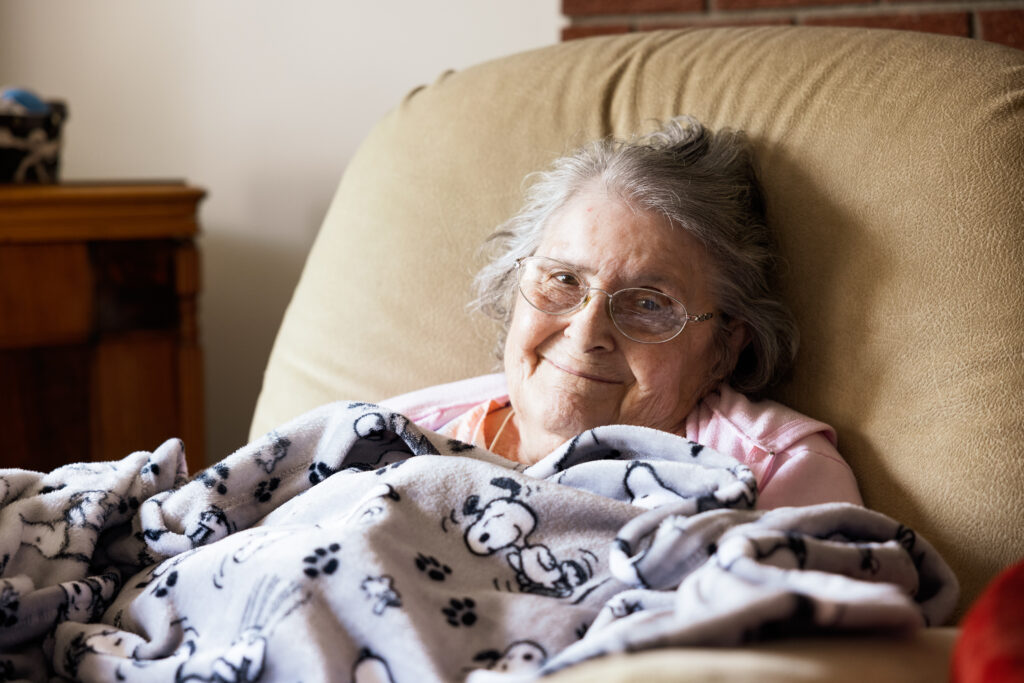
For many older adults in Weld County, home is where they want to stay. It is where life feels familiar, where routines make sense, and where independence still feels possible.
But staying at home can get harder with age. Some neighbors can no longer drive to the store. Some have health conditions that make standing at the stove difficult. Others are homebound and need help getting regular, nourishing meals. For many, the challenge is not only food. It is safety, connection, and knowing someone will notice if something is wrong.
That is why Meals on Wheels matters.
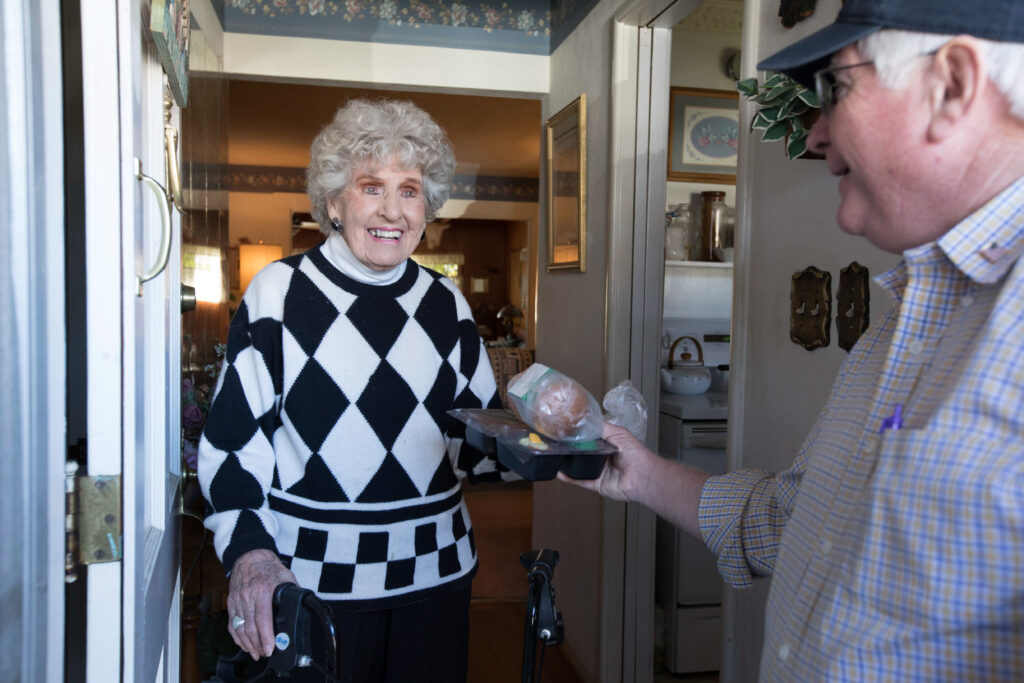
A meal delivery does more than bring food to the door. It brings a daily check-in, a friendly face, and a simple moment of connection that can make a real difference. For older adults who live alone or have trouble cooking for themselves, those visits help support health, reduce isolation, and make aging at home more realistic.
In Weld County, Meals on Wheels is more than a delivery service. It is a trusted partner in aging, helping neighbors stay safe, supported, and connected in the place they know best.
Daily check-ins are a lifeline for homebound older adults
Life alone and at home can be quiet. Oppressively quiet. Time can drag on. Loneliness can creep up. A missed phone call may go unnoticed. A small change in mobility may build into a larger safety risk. A hard day can feel even harder when no one is expected to stop by.
That is where a regular meal delivery can change the picture.
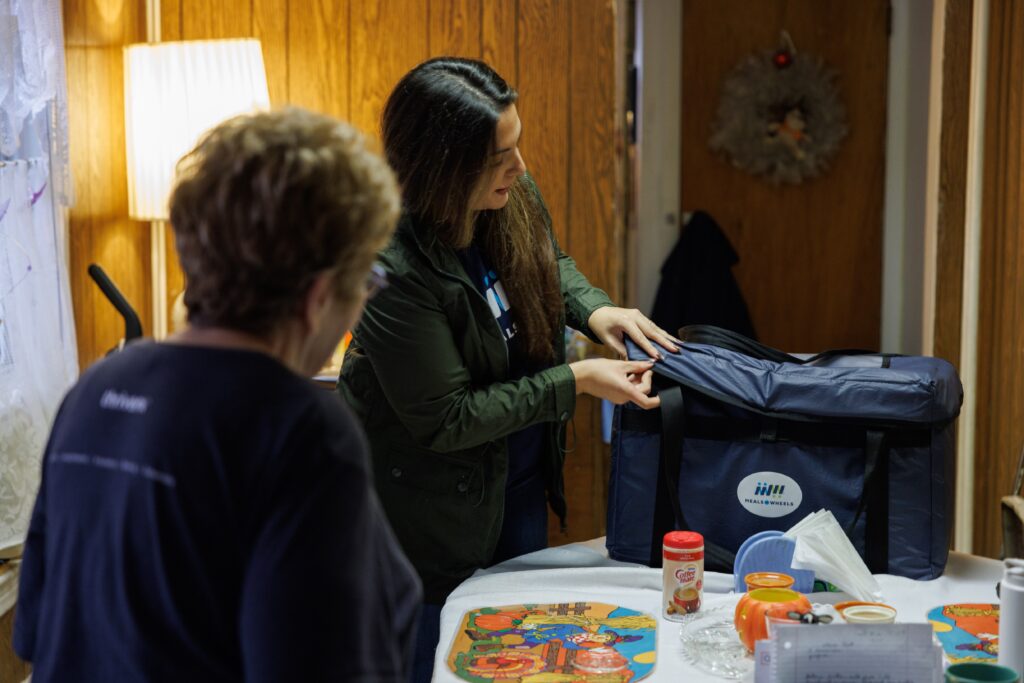
Meals on Wheels volunteers don’t just drop off food and leave. They greet the recipient, creating a dependable routine. A quick hello at the door offers reassurance, brightens the day, and can often help head off concerns early. If a client seems unwell, confused, weaker than usual, or does not answer the door, that check-in can raise an important flag.
And there is research to back this up. In the 2022 national survey of Older Americans Act Title III home-delivered meal participants, 92% reported that the meals helped them continue to live independently. The same fact sheet also found that 87% said knowing they would receive regular visits from a volunteer or driver made them feel safer at home.
That is a powerful reminder: the meal matters, but the visit matters, too.
The people Meals on Wheels serves
Meals on Wheels serves older adults who are homebound or having trouble preparing meals on their own. Some are recovering from illness. Some are living with chronic conditions. Some have balance issues, fatigue, pain, or limited mobility that make shopping and cooking difficult or unsafe.
These are neighbors who may still be doing their best to live independently, but they need practical support to keep going.
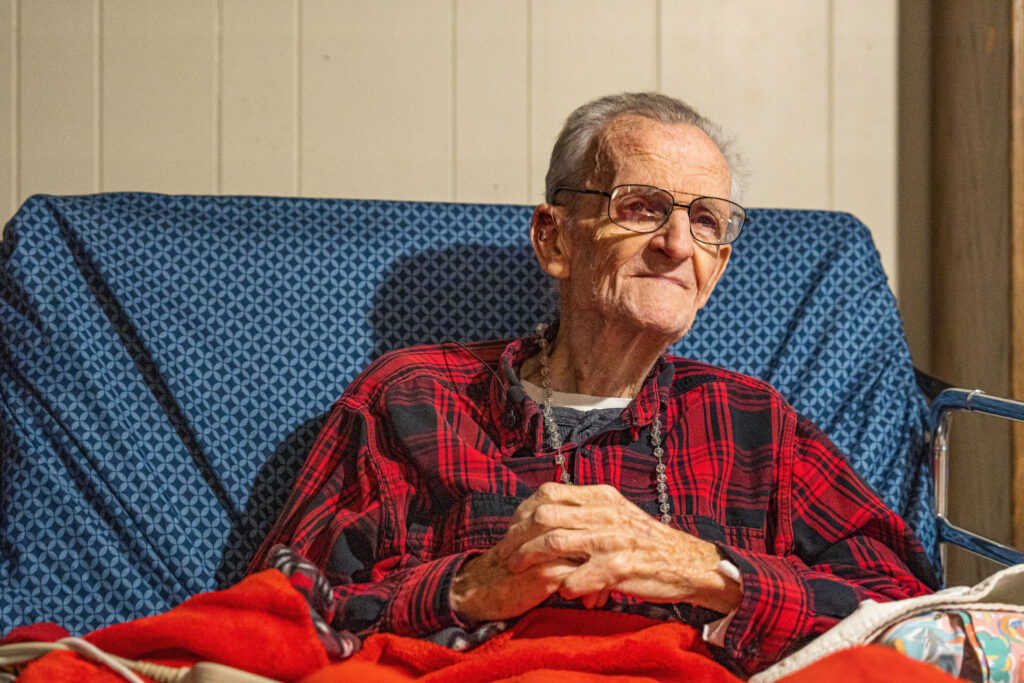
Many clients fit one or more of these situations:
- They cannot safely stand long enough to cook.
- They have difficulty grocery shopping or carrying food home.
- They are recovering after a hospital stay or health setback.
- They live alone and have very little daily contact.
- They need regular, nutritious meals to support their health.
Meals on Wheels meets people where they are. It supports older adults who do not need to leave home to find help, because help comes to them!
More than nutrition: Daily visits help people stay safer at home
It’s easy to think of meal delivery as a food program first. And yes, good nutrition is a huge part of the picture. Still, safety at home depends on more than what is on the plate.
A volunteer visit can provide:
- A wellness check
- A short conversation that breaks up isolation
- A consistent routine
- An extra set of eyes on changes in health or mobility
- Peace of mind for family members and caregivers
That regular contact can be especially meaningful for older adults living alone. According to The Case for Meals on Wheels, people living alone who received daily-delivered meals were significantly more likely to show improvement in feelings of social isolation over 15 weeks than those receiving weekly-delivered meals or those on a waiting list. These improvement rates are impressive: 36% for daily-delivered meals, compared with 29% for weekly-delivered meals and 14% for people on a waiting list.
These numbers tell an important story. Daily connection is not trivial. It is part of what helps older adults remain stable and supported at home.
Good meals support health, strength, and independence
For someone who has trouble cooking, missing meals, or relying on whatever is easiest (think crackers and cheese) can take a toll. Over time, poor nutrition can affect strength, energy, balance, recovery, and overall well-being.
Meals on Wheels helps address that problem with consistent, home-delivered meals that support better eating habits. According to Meals on Wheels America, an extensive review of 38 research studies found that Meals on Wheels improves food security and diet quality, reduces use of costly health care services, and reduces social isolation and loneliness.

Other strong findings revealed in this review:
- Home-delivered meal participants reported that the meals help them eat healthier foods.
- In a central Florida study, the share of participants experiencing low or very low food security decreased by nearly half, with a drop from 40% to 22%.
- After three months of meals from two Meals on Wheels programs in central Texas, the percentage of participants who were malnourished dropped from 42% to 8%.
Those numbers show that regular meal delivery is not just convenient; it’s essential. It can help improve the day-to-day health of those who may otherwise struggle to prepare balanced meals.
A knock on the door can help catch problems early
Here’s the thing: many health or safety issues at home do not start as emergencies. They start small.
A person may begin feeling weak. They may stop eating as much. They may have a harder time getting to the door. They may feel unsteady but not want to mention it. Without regular human contact, those changes can go unnoticed.
Daily check-ins help make those warning signs easier to spot.
A volunteer may notice that someone:
- Seems unusually tired or confused
- Looks weaker than usual
- Is having trouble walking safely
- Does not answer the door
- Seems more isolated or withdrawn
Meals on Wheels does not replace family, caregivers, or medical professionals. It simply provides another important layer of support. This can make all the difference for homebound and aging adults.
Meals on Wheels also helps reduce costly health care
The greater community benefits when older adults can stay safe and nourished in their own homes. When people have regular meals and consistent contact, they may be less likely to face avoidable health setbacks that lead to hospital visits or higher levels of care.
The Case for Meals on Wheels includes a strong example from a care transition program partnership in Baltimore involving a local Meals on Wheels program, a hospital, and Meals on Wheels America. After enrollment, participants experienced a significant decline in hospitalizations when comparing the three months before and after joining the program. Hospitalizations fell from 142 to 37, and the same program led to an overall cost reduction of over $1 million.
That matters in Weld County, too! Support that helps older adults remain at home can ease strain on families, reduce preventable crises, and strengthen the community’s network of care.
Why daily-delivered meals matter more than a weekly drop-off
Not all meal service models offer the same level of contact. There is a big difference between daily-delivered meals and safety checks, and less frequent deliveries.
For older adults living alone, daily-delivered meals were linked to greater improvement in feelings of social isolation than weekly-delivered meals. This makes sense! A daily visit creates rhythm. It provides a familiar point in the day and provides the client with something to look forward to. Each delivery offers a moment to check in, share a smile, and notice if something seems off.
This type of reliability can help hold the whole day together. It can mean:
- Today’s meal is taken care of
- Someone will notice if they do not come to the door
- Someone is looking out for their well-being
- They are reminded they are not alone
That is what “more than a meal” really looks like in everyday life.
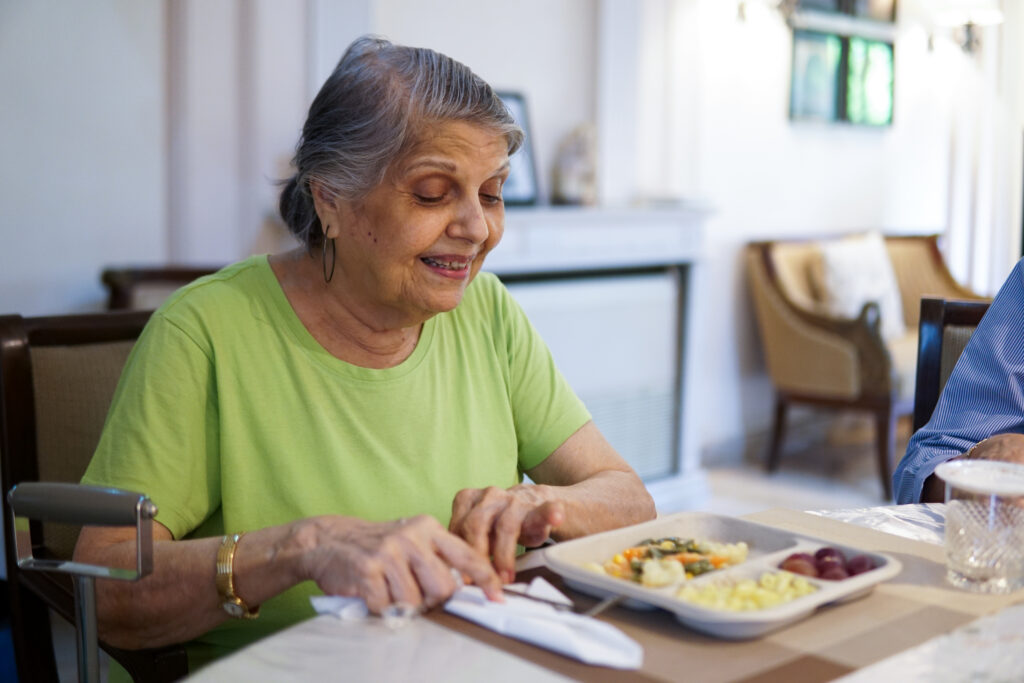
Meals on Wheels is partner in aging for Weld County nieghbors
Aging at home works best when older adults have the right support around them. Meals on Wheels is part of that support system.
It helps families worry a little less. It gives caregivers another dependable touchpoint. It helps clients stay connected to the community instead of becoming invisible behind a closed door.
This work is deeply local in Weld County. Meals on Wheels works to make sure that older adults who are homebound, isolated, or who struggle with meal preparation have a reliable partner they can count on. We show up in practical ways, day after day, with nourishment, consistency, and care.
That is why we say that Meals on Wheels is “more than a meal”. We help older adults keep their footing, maintain their routines, and stay in the homes they love and cherish.
Consistent acts have big impact
Meals on Wheels proves that small, consistent acts can have a big impact.
A daily meal supports nutrition. A daily knock supports safety. A daily hello supports connection. Together, those simple moments help older adults remain independent and feel more secure at home.
Daily check-ins are not an extra benefit. They are part of what makes aging at home possible.
Meals on Wheels is more than a meal. It is a trusted partner in aging, helping neighbors stay safe, seen, and supported where they belong.
FAQs
Who does Meals on Wheels serve?
Meals on Wheels serves older adults who are homebound, have limited mobility, are recovering from illness, or are having trouble shopping for groceries and cooking for themselves safely.
How do daily check-ins help older adults stay safe at home?
Daily check-ins provide more than a meal delivery. They offer regular contact, a quick wellness check, and a familiar visit from someone who can notice if something seems off. That added layer of support can help identify concerns early and gives many older adults greater peace of mind at home.
Why are daily meal deliveries important for people who live alone?
For older adults living alone, daily meal deliveries can bring routine, connection, and reassurance. A consistent knock at the door helps reduce isolation and reminds clients that someone is looking out for them each day.
Do home-delivered meals help older adults remain independent?
Yes. Home-delivered meals can make it easier for older adults to continue living at home by reducing the burden of grocery shopping, meal planning, and cooking. When meals and check-ins are built into the week, it supports safety, stability, and independence.
How does Meals on Wheels support health and well-being?
Meals on Wheels helps older adults access consistent, nourishing meals that support overall health. Just as important, regular delivery visits can reduce isolation and encourage a stronger sense of connection, both of which play a big role in well-being.
Stay connected with Meals on Wheels of Greeley and Weld County by following us on Facebook, Instagram, and LinkedIn, where we share stories, updates, and ways to support local older adults aging at home. You can also subscribe to our email mailing list to stay informed, hear about upcoming opportunities, and remain part of the community helping neighbors stay nourished, safe, and connected.